
Hand salvage of older homes
Deconstruction and Salvage in San Jose
Instead of crushing a house, a deconstruction crew unbuilds it by hand, last-in first-out, so lumber, doors, windows, fixtures and brick survive for reuse. San Jose's pre-war homes are where this pays off most.
Why Deconstruction Fits Pre-War San Jose Homes
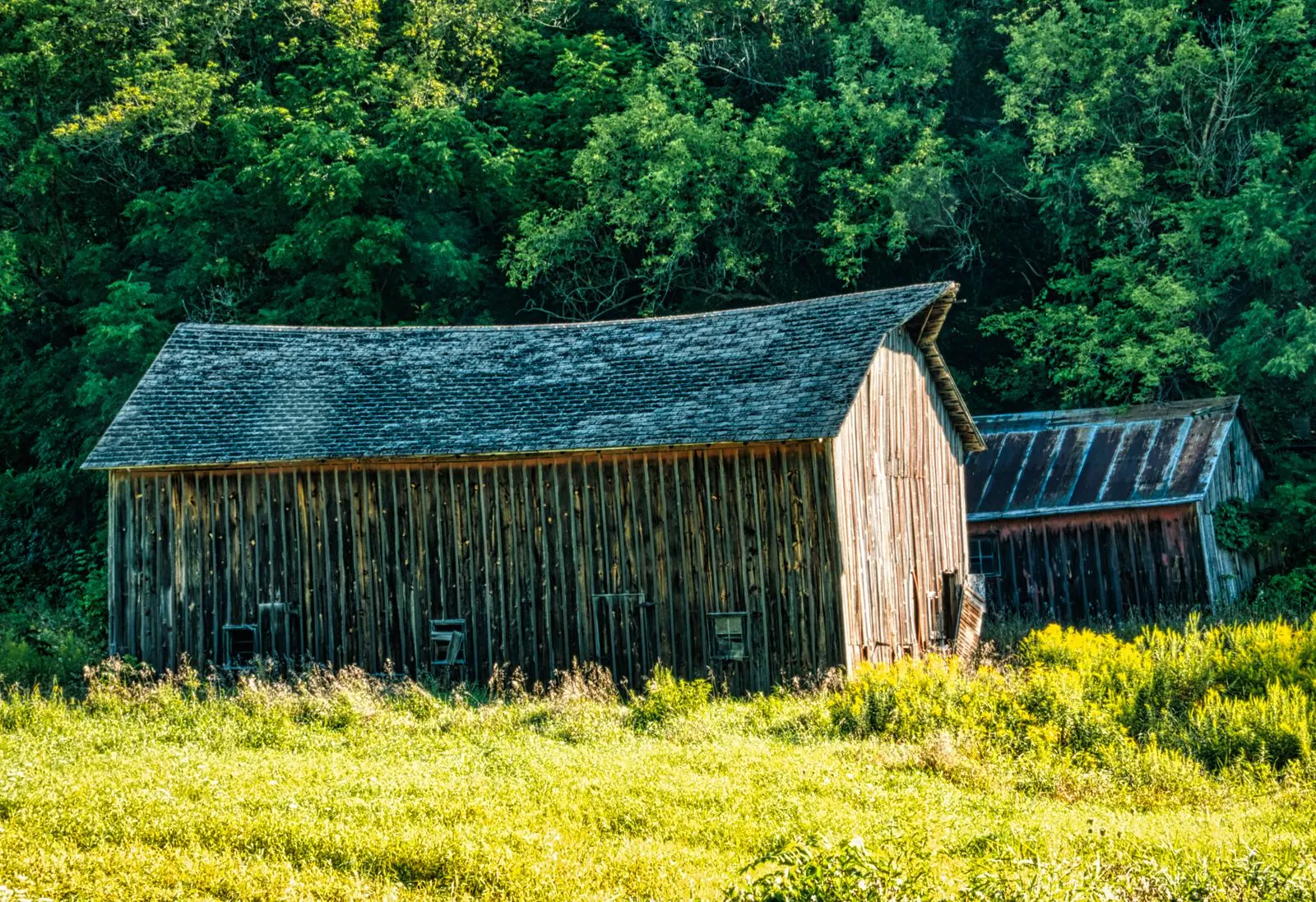
The bungalows, craftsman homes and Spanish revival houses in Willow Glen, the Rose Garden, Naglee Park and Hanchett Park were built with materials that are hard to find today: old-growth redwood and Douglas fir framing, solid wood doors, divided-light windows, hardwood floors, clawfoot tubs, built-in cabinets, brick chimneys and decorative tile. Crushing all of that with an excavator throws away material people actively look for.
Deconstruction is slower than machine demolition, and it costs more in labor. But some of that cost can come back through salvage value, and a careful takedown also reduces dust and noise for neighbors on close-set lots. For owners who care about reuse, or who want to keep a few pieces of the old house in the new one, it is worth considering.
How a Deconstruction Job Runs in San Jose
The steps before work starts are the same as any demolition: an asbestos and lead survey, abatement by a certified abatement contractor if needed, utility disconnects with PG&E and the water provider, sewer capping, and a demolition permit from the City of San Jose or Santa Clara County. Older homes may need historic resources review first, and that review can affect what is salvaged and how.
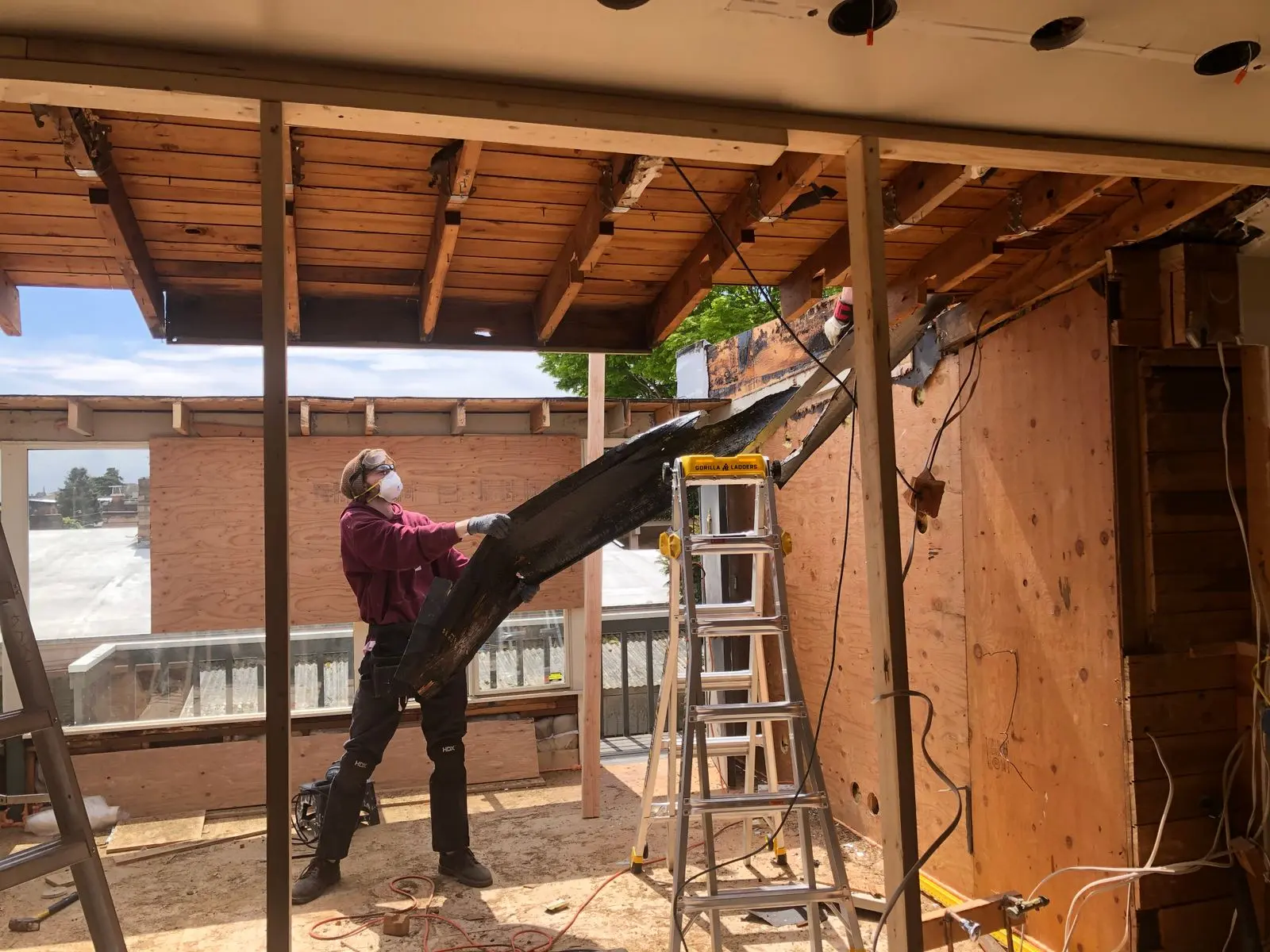
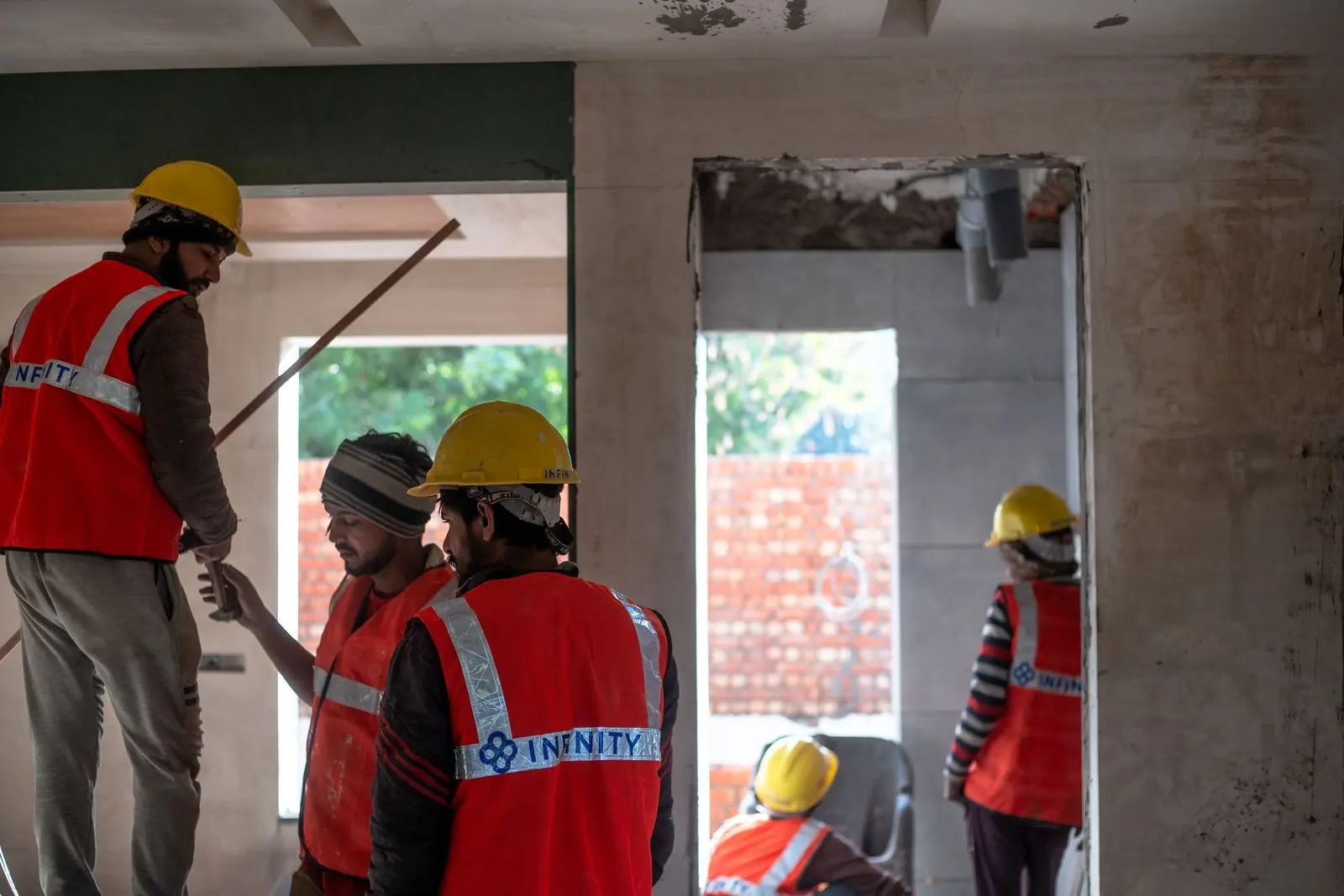
Then the building comes apart in layers. Fixtures, doors, cabinets and trim come out first. Then flooring, windows and siding. Then the roof, then the walls and framing, with nails pulled so the lumber can be stacked and reused. The foundation and slab usually come out by machine at the end, since concrete has little reuse value beyond recycling.
Neighbors usually notice the difference. Hand work means fewer machines, less vibration and less dust drifting over the fence, which matters on the narrow, close-set lots common in older parts of the city. The tradeoff is a longer schedule, so we lay out the timeline up front and keep the site tidy and secured every evening while the house is partly open.
Salvage: Lumber, Fixtures, Brick and More
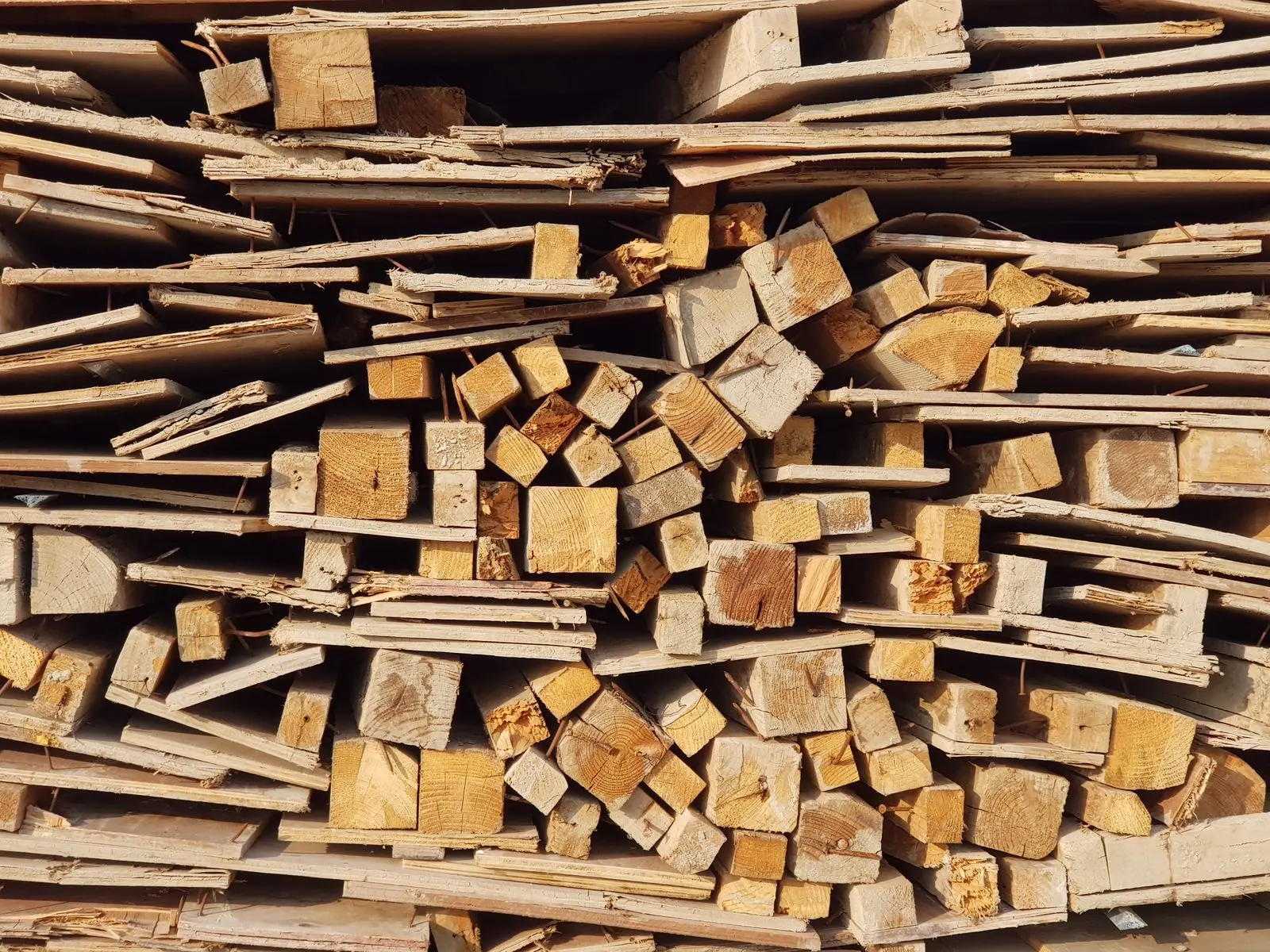
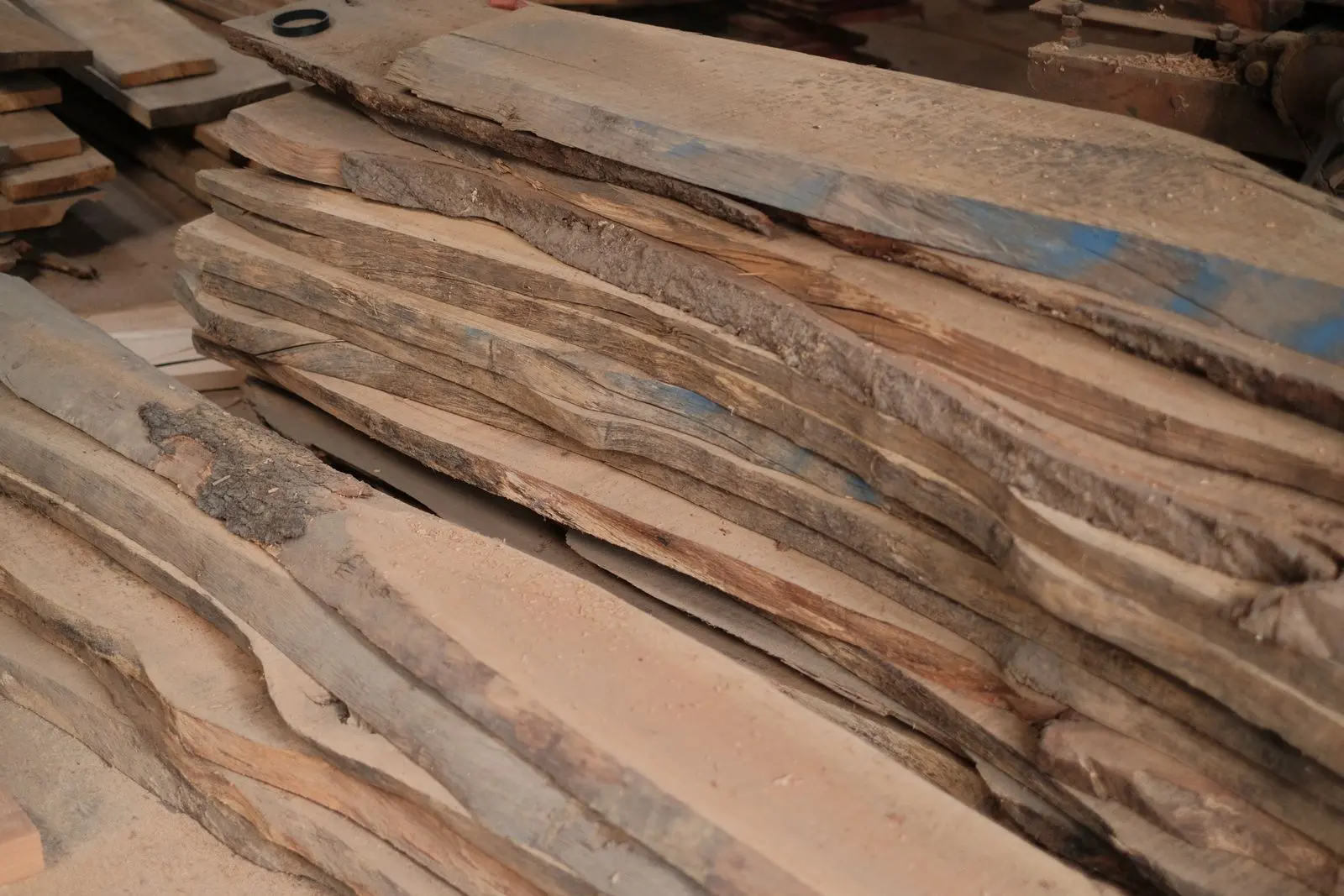
Old-growth lumber is the main draw. It is denser and more stable than modern framing lumber and finds buyers for furniture, flooring and new framing. Hardwood floors can sometimes be lifted and relaid. Doors, windows, hardware, light fixtures, mantels, built-ins and clawfoot tubs all have reuse markets. Old redwood fencing and siding sell too.
Brick from chimneys and garden walls can be cleaned and reused if the mortar lets go cleanly. Decorative tile is harder, but pieces can sometimes be saved. We sort salvaged material on site and can set aside anything you want to keep for your rebuild, whether that is a mantel, a front door or a stack of redwood.
Partial Deconstruction and Hybrid Demolition
Not every job has to be all or nothing. A common approach is a hybrid: hand salvage of the valuable items and materials first, then machine demolition of what is left. This captures most of the reuse value without paying for full hand dismantling of low-value parts like drywall-era additions or a damaged roof.
Partial deconstruction also suits remodels and additions where part of the old house is staying. In historic neighborhoods, taking a rear addition or a later enclosed porch apart by hand can protect the original structure and keep the planning review straightforward. It also produces less dust next to the part of the house that stays.
Inside a San Jose Deconstruction Job
Salvage Inventory Before Deconstruction
Before anything is pried loose, we tour the house with you and tag reusable lumber, fixtures and materials as keep, sell, donate or recycle. Items you want to keep are marked so they are never mixed in with salvage headed elsewhere.
Hand Deconstruction in Reverse Order
Fixtures, finishes, roof and framing come apart by hand, with nails pulled and lumber stacked so it is usable instead of broken. Plaster is knocked off and bagged before framing is touched so the wood stays clean.
Salvaged Material Sorting and Set-Aside
Salvaged items are sorted, protected and either set aside for your rebuild or staged for reuse outlets, with the rest recycled. Lumber is stacked flat, stickered and covered so it does not warp or get rained on.
Foundation Removal and Site Cleanup
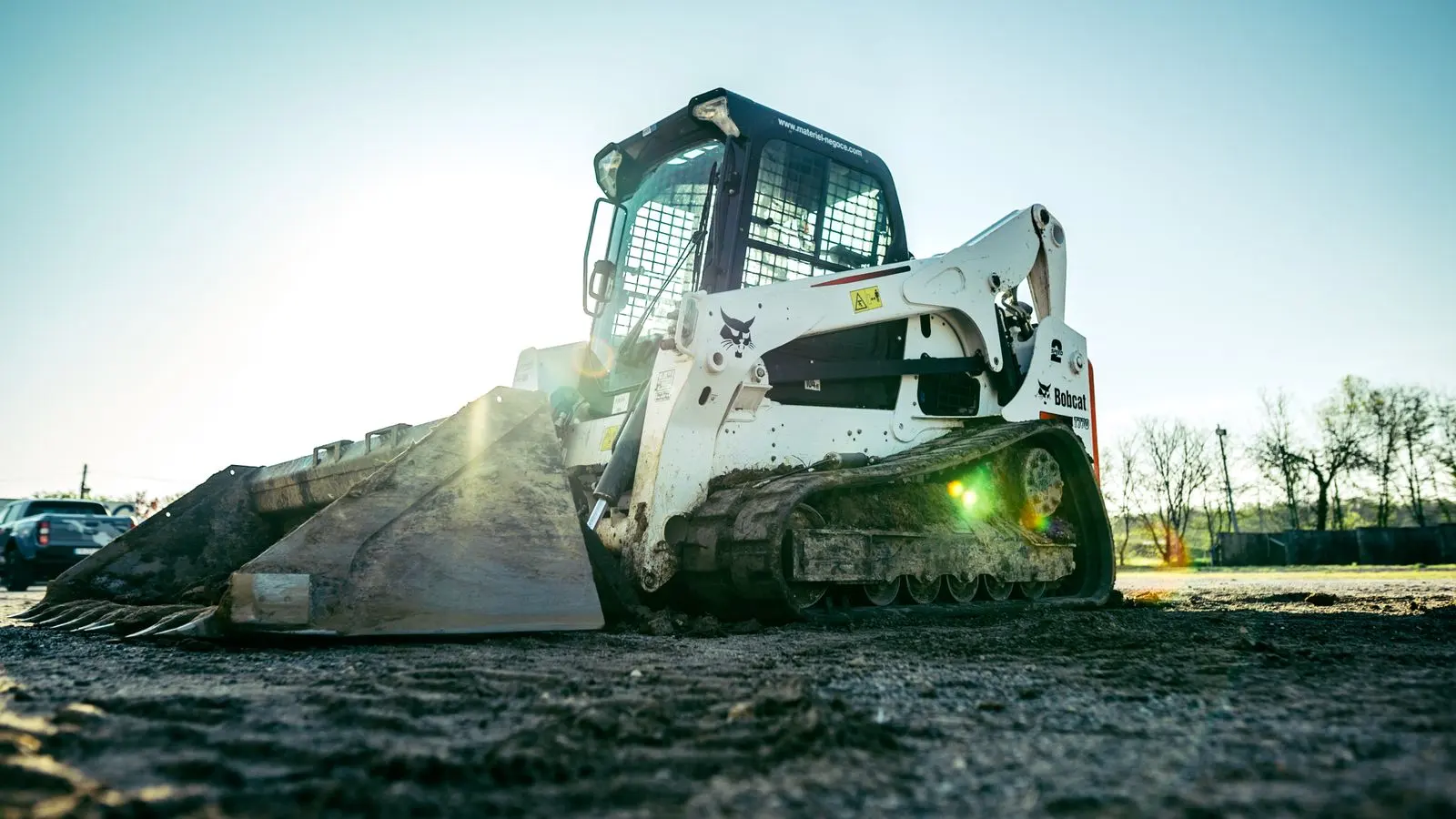
After hand work is done, the foundation and remaining materials are removed by machine and the lot is rough graded for the rebuild. Brick piers are knocked down and cleaned for reuse when the mortar allows.
Deconstruction: Job Site Photos
Deconstruction and Salvage Across San Jose
Demolition FAQs
San Jose Deconstruction FAQ
Does hand deconstruction cost more than a machine teardown?
Up front, usually yes, because it is labor-heavy and slower. Salvage value can claw some of that back. A hybrid, hand-salvaging the good material and machine-demolishing the rest, gets most of the reuse benefit for less.
What schedule should I expect for deconstruction?
Plan on weeks of hand work for a typical San Jose house rather than the few days a machine teardown takes. Size and the salvage list set the exact timeline.
Can I keep parts of my old house?
Yes. Make a list, front door, mantel, built-ins, flooring, redwood framing or anything else, and we set those pieces aside for your rebuild.
Which houses are good candidates for deconstruction?
Pre-war homes with old-growth framing, hardwood floors and original fixtures are the best candidates. Postwar homes with drywall and modern framing have less salvage value, though fixtures and some lumber can still be reused.
Demolition quote
Get a Deconstruction Quote in San Jose
Describe the house, roughly when it was built and which pieces you hope to save. Someone from our team gets back to you within a day.
- Permits
- Demolition
- Haul-off