
Tile, tubs and mortar beds
Bathroom Demolition in San Jose
An old bathroom packs a surprising amount of tile, mortar and cast iron into a few square feet. We take it all out, cap the plumbing, and hand your remodeler clean framing and an open floor.
Why Bathroom Demolition Is Heavier Than It Looks
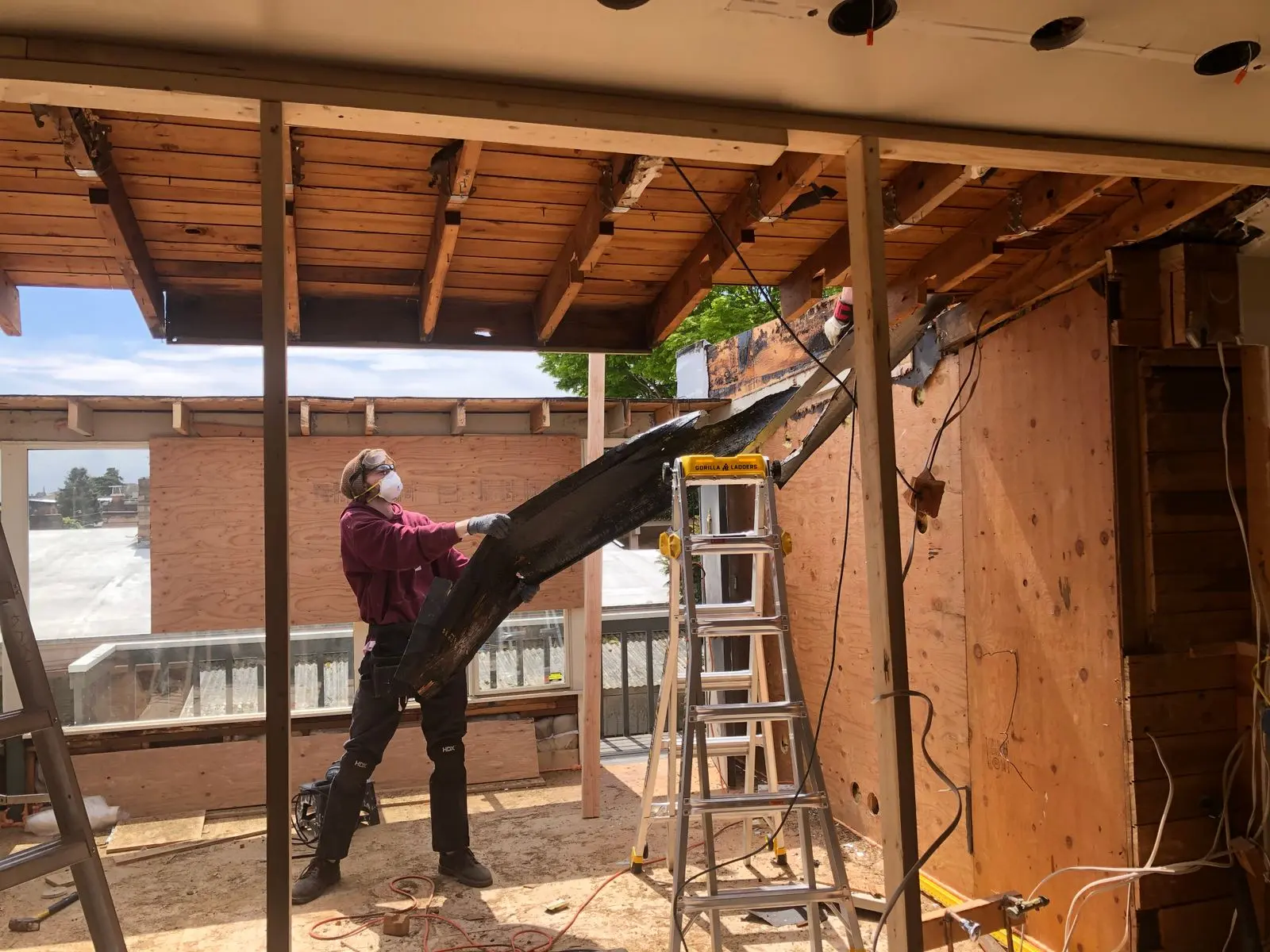
A San Jose bathroom built before the 1960s was usually tiled the old way: wire lath, a thick mortar bed on the walls and floor, and ceramic tile pressed into it. Breaking that out is closer to concrete work than drywall work. One small bathroom can produce several tons of mortar and tile that has to be carried out by hand, bucket by bucket, through hallways and doorways that were never meant for it.
Cast iron tubs are the other heavy item. They were set before the walls went up in many older homes, so getting one out means breaking it in place with a sledge or cutting a wall. We protect the floors and walls along the exit route and plan the carry so nothing gets gouged on the way out.
Bathroom Tear-Outs in Pre-War and Postwar San Jose Homes
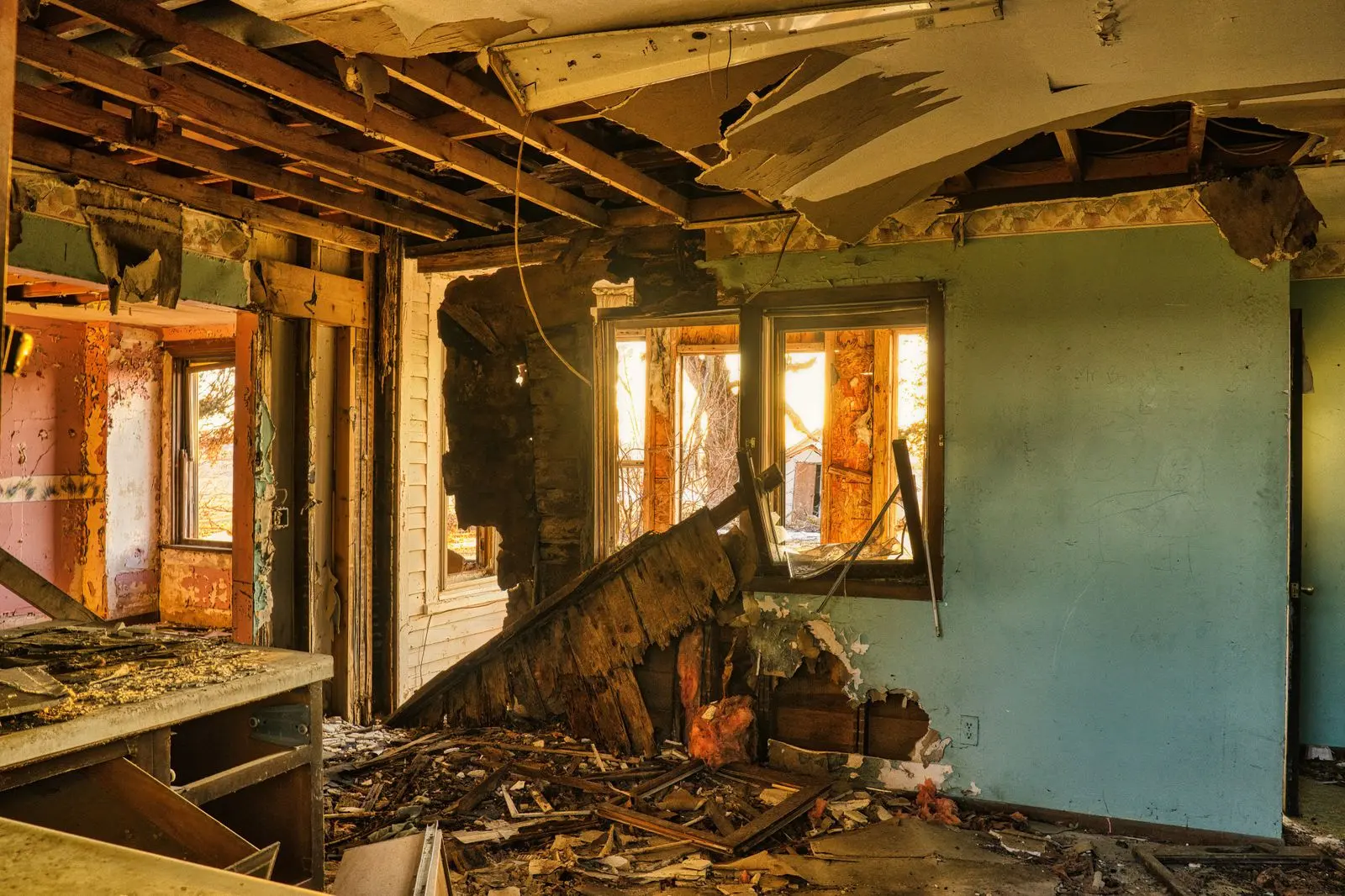
In Willow Glen and Rose Garden homes from the 1920s to 1940s, bathrooms often have original tile wainscot, small hex floor tile over a mortar bed, galvanized supply lines and a cast iron drain stack. Some owners want to save the original tile or a clawfoot tub, and we can remove those pieces carefully if you tell us before we start.
Postwar bathrooms in Blossom Valley, Berryessa and Cambrian ranches tend to be smaller, with fiberglass or steel tubs, sheet vinyl floors and textured ceilings. These are faster to remove but more likely to have asbestos in the vinyl, its adhesive or the ceiling texture. The survey comes first, and any material the lab flags is taken out by a certified abatement firm we line up before our crew starts swinging hammers.
Bathroom Plumbing Caps and Subfloor Damage Found During Demo
Before demolition we shut off water to the bathroom and cap supply lines so the rest of the house still has water. The toilet flange and drain are plugged to keep sewer gas out. If the remodel moves fixtures, your plumber reroutes later from these clean capped stubs. Shutoff valves are labeled so nobody opens them by mistake.
Old leaks are common. Once the tile and tub are out, we often find rotted subfloor around the toilet or under the shower pan, and sometimes soft joists below. We remove damaged subfloor if it is in scope and show you or your contractor anything structural before it is covered up. Catching rot now costs far less than tearing out new tile next year.
Bathroom Demolition Timing and Debris in San Jose
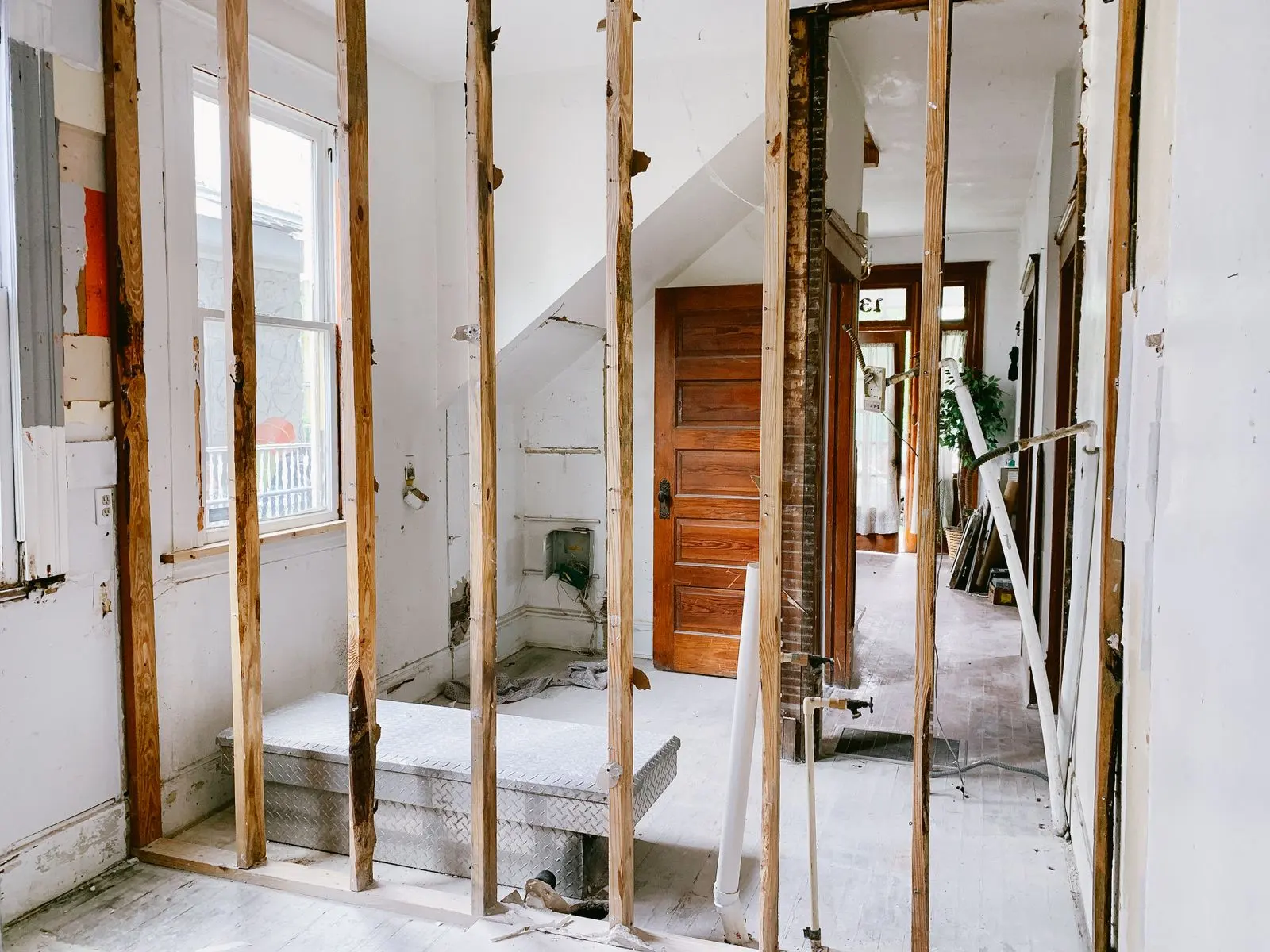
Most single bathrooms come out in one to two days. Mud-set tile, a cast iron tub or a second bathroom done at the same time stretches that a bit. If asbestos abatement is needed, it happens first and adds time before we start. Upstairs bathrooms add carry time on the stairs.
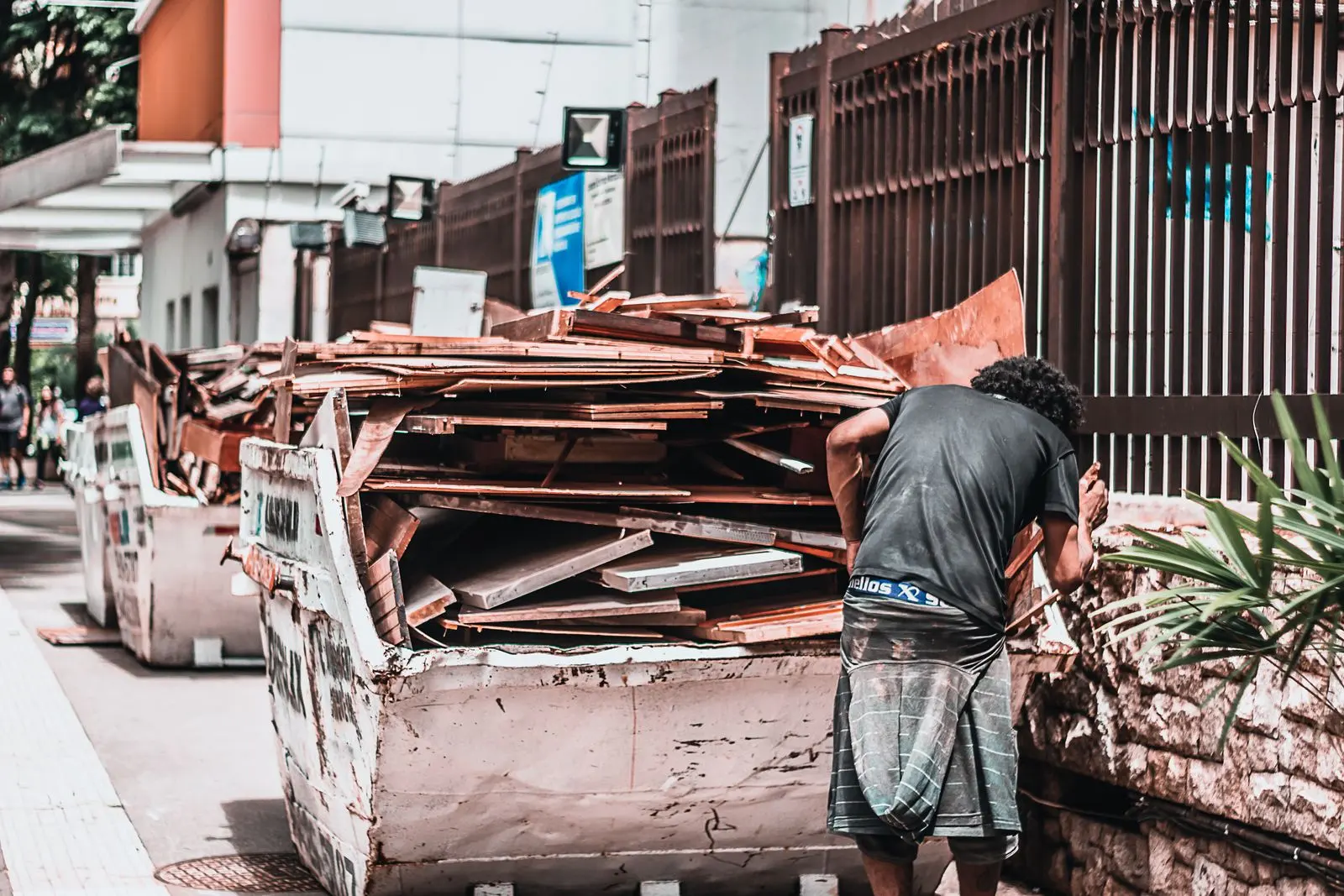
We keep the debris moving so it never piles up in the house. Tile and mortar go into heavy-material bins, metal fixtures and pipe go to scrap, and the rest goes out as mixed debris. The bathroom permit is usually part of your remodel permit with the City of San Jose, and we work to the schedule your contractor or plumber has set.
What Our Bathroom Demolition Includes in San Jose
Asbestos Survey for Bathroom Materials
Vinyl flooring, adhesive, ceiling texture and joint compound are tested before demolition. Positive results go to a certified abatement contractor we schedule and coordinate. Old bathroom ceilings and the glue under sheet vinyl are the samples that come back positive most often.
Tile and Mortar Bed Removal
Wall and floor tile, wire lath and mortar beds are broken out down to framing and subfloor, with the heavy debris carried out by hand along a protected route. Expect several bin loads from one small room.
Tub, Shower and Fixture Removal
Cast iron and steel tubs, shower pans, toilets, vanities, mirrors and medicine cabinets come out. Pieces you want to keep are set aside carefully. Cast iron tubs and old steel fixtures go to the scrap yard rather than the landfill.
Bathroom Plumbing Capped and Protected
Water is shut off, supply lines capped and drains plugged so the rest of the house keeps running and the plumber can reroute from clean stubs. Wall valves that will be replaced are cut out cleanly so the new valve body has room.
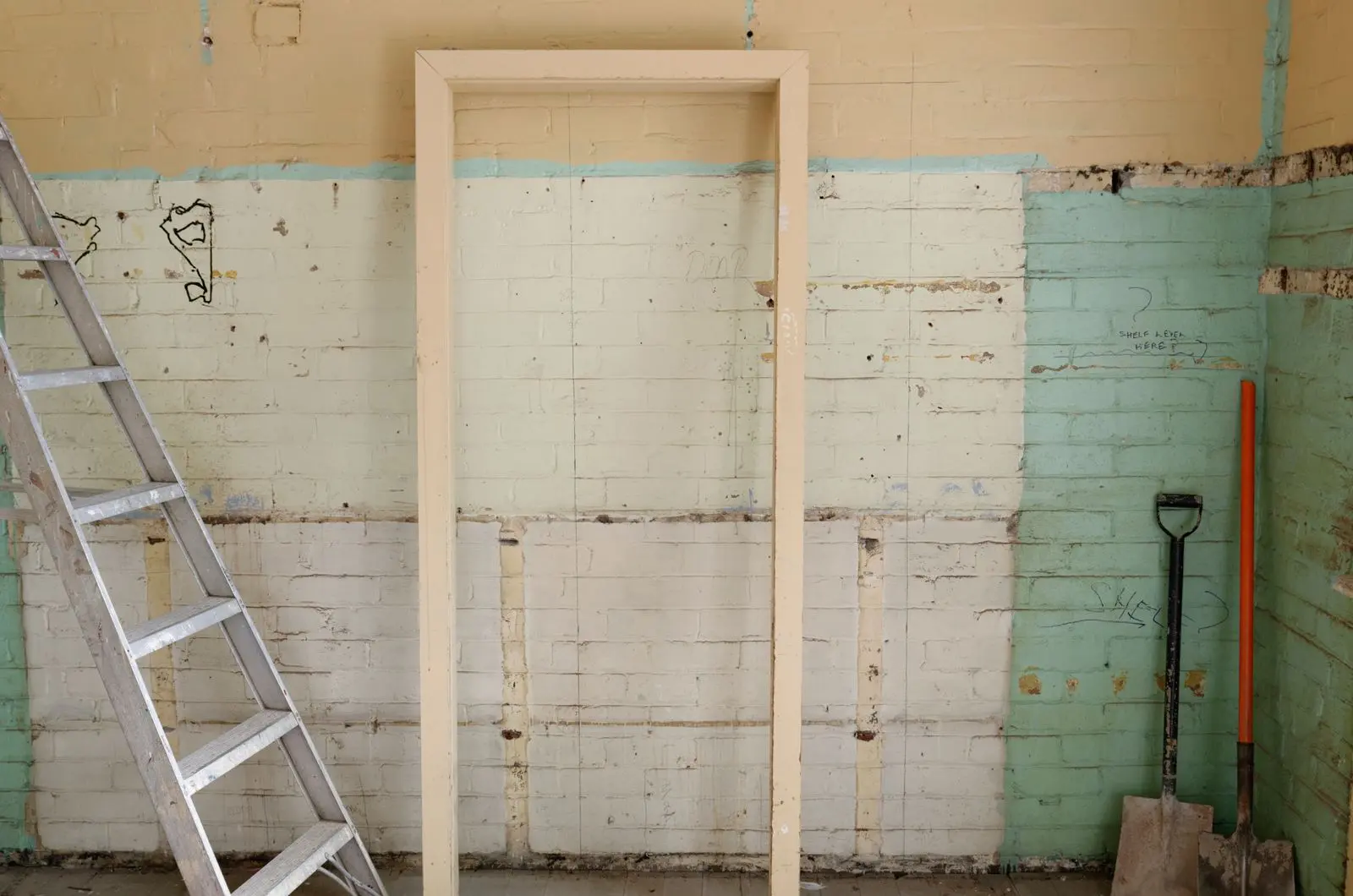
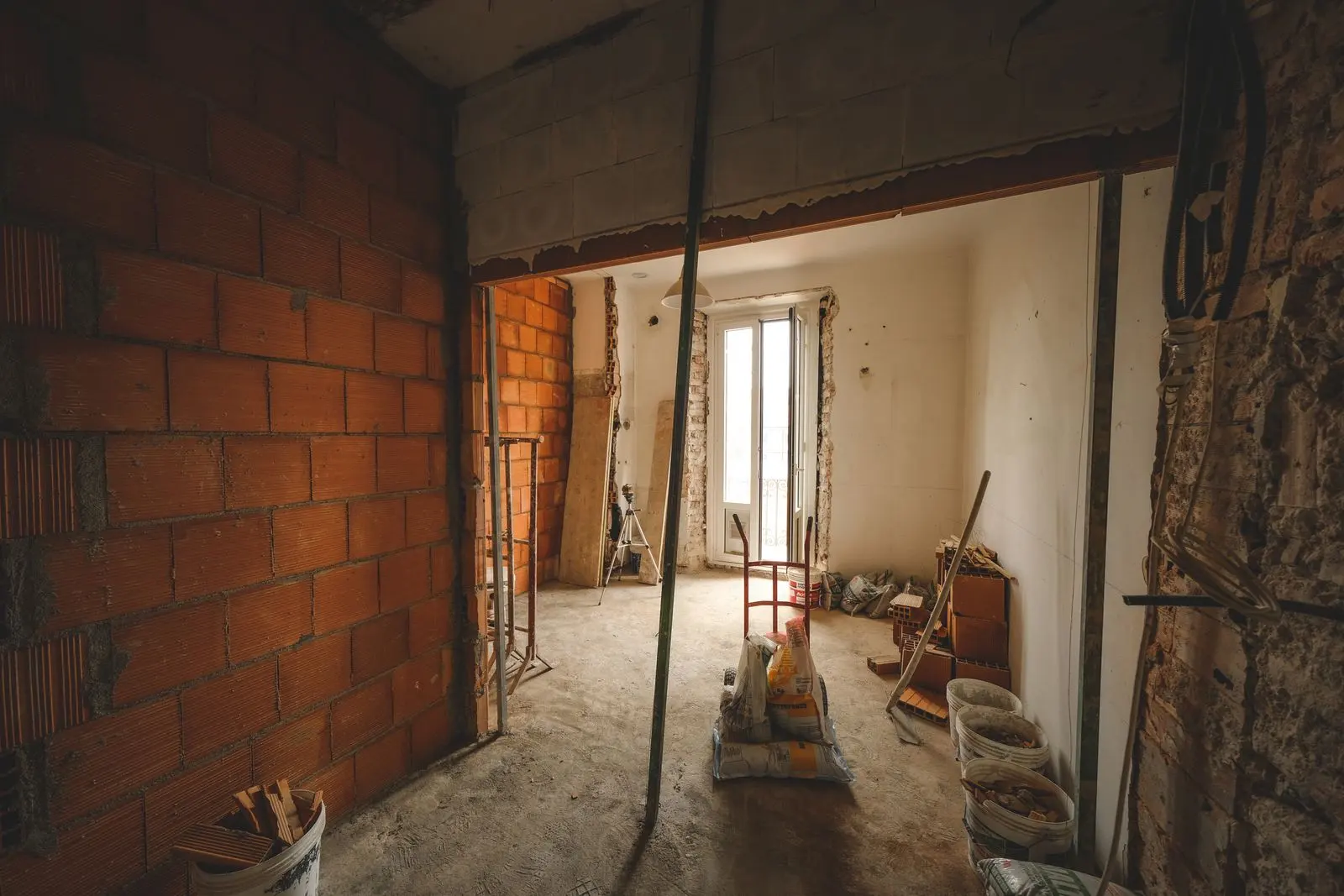
Bathroom Demolition: Job Site Photos
Demolition FAQs
Bathroom Demolition Questions in San Jose
Is a bathroom demolition a one-day job?
Often it takes one to two days for a single bathroom. Mud-set tile and cast iron tubs stretch the schedule. If the survey finds asbestos, abatement has to be finished before we begin.
Can I keep using my other bathroom during demolition?
Yes. We cap the supply lines to the bathroom being demolished so water stays on in the rest of the house. The work area is sealed to keep dust out of other rooms.
Can you save my clawfoot tub or vintage tile?
Often. A clawfoot tub can usually be removed whole. Vintage tile is harder to save because it is stuck fast to the mortar bed, but individual pieces or sections can sometimes be salvaged with patience. Tell us before we start.
What affects the cost of a bathroom demolition?
Tile type and mortar bed thickness, tub material, bathroom size, distance from the bathroom to the bin, abatement, and any rotted subfloor that needs to come out. Second-floor bathrooms take longer to carry out.
Do you remove the bathroom ceiling and exhaust fan too?
If your remodel calls for it, yes. Older bathroom ceilings are often plaster or have a textured finish that gets tested first. We pull the old fan and cap its wiring so your electrician can install a new one with proper ducting to the outside.
Demolition quote
Price a San Jose Bathroom Tear-Out
Let us know how many bathrooms, what floor they are on and when the remodel starts. We will be in touch within 24 hours to set a time to look.
- Permits
- Demolition
- Haul-off